Costa Rica now has greater capacity to evaluate its public policies and use evidence in decision-making, according to an independent impact evaluation carried out by 3ie and presented in San José in September 2026, alongside Costa Rica's Ministry of National Planning and Economic Policy (MIDEPLAN) and the German Institute for Development Evaluation (DEval). The study covers work delivered between 2015 and 2025 through the MIDEPLAN–DEval partnership, under Foceval, Focelac, Focelac+ and EvalConnect. It found more evaluations under the National Evaluation Agenda, better quality, greater ability to fund external evaluation from national resources, and wider public information about programmes and how they are assessed. As far as we are aware, this is the first rigorous impact evaluation of a national evaluation capacity building programme at systemic level, which makes the findings relevant to any country strengthening its own system. The evaluation is also clear about what remains difficult: data quality and availability across public institutions, information exchange, analytical capacity, and the use of evaluation in strategic decision-making.
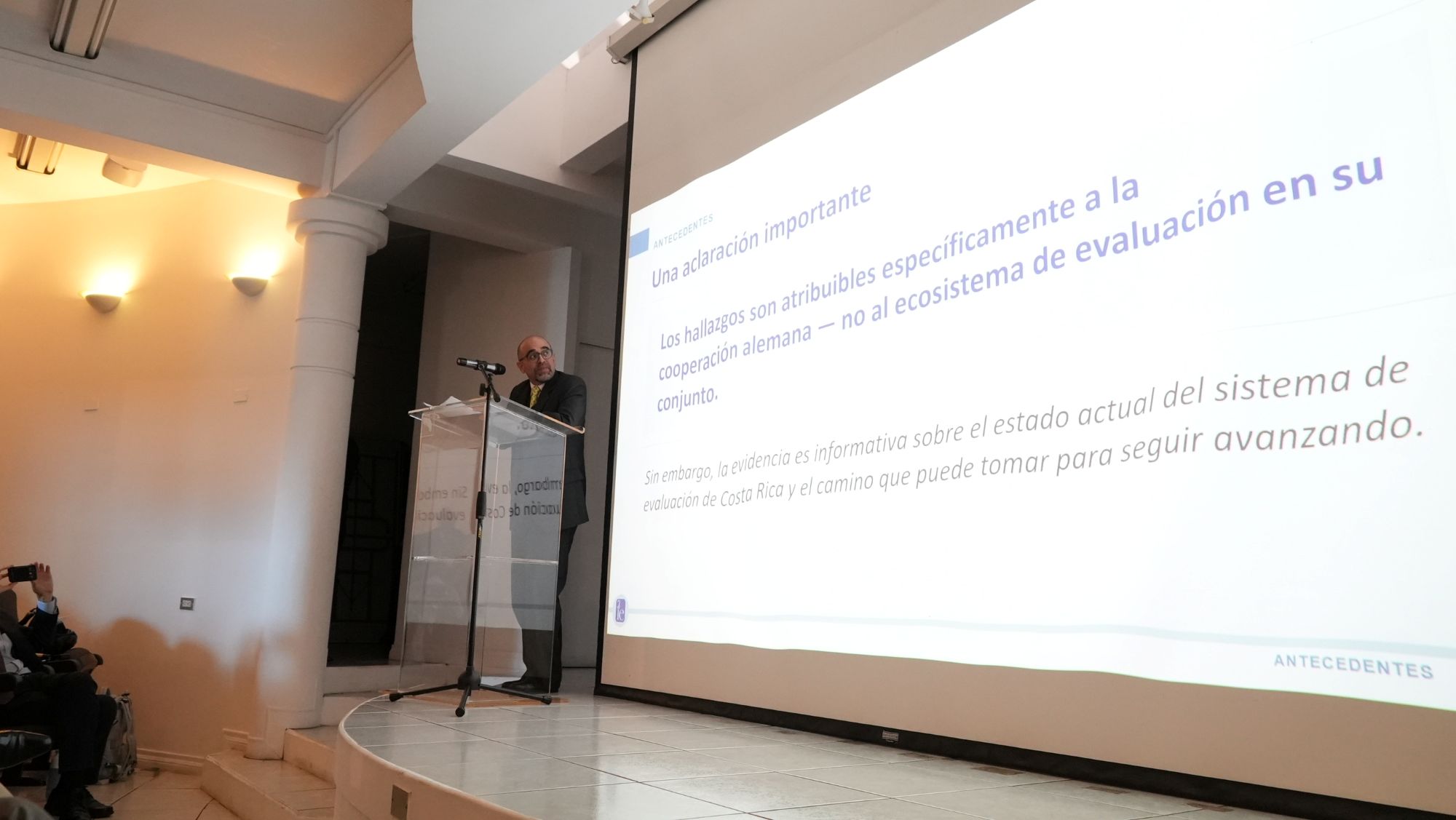
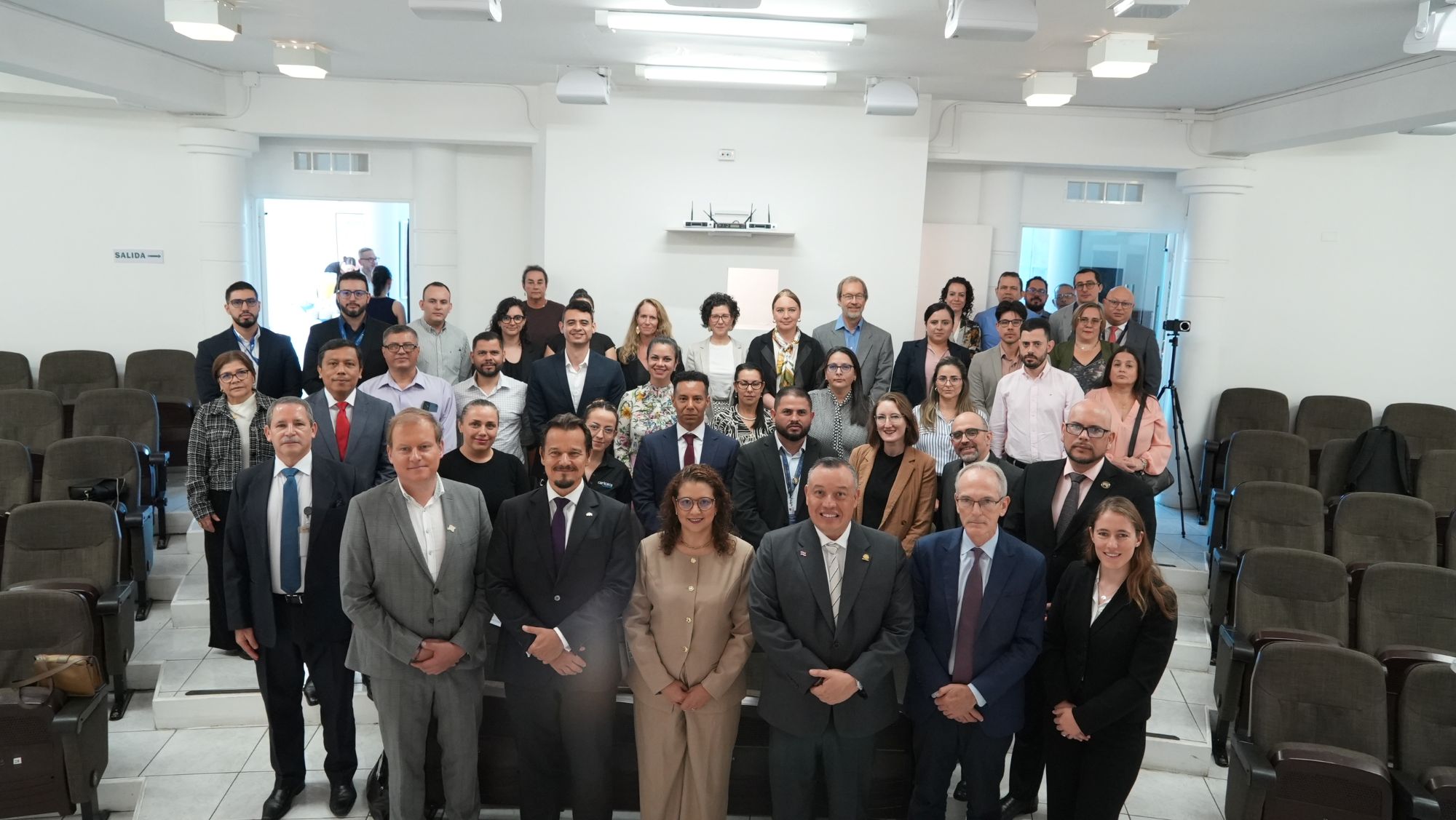
3ie presented at three engagements over three days — the Plataforma Nacional de Evaluación, Costa Rica's national convening space for evaluation actors; a session with Minister Carla Morales Rojas and her team, followed by a results validation meeting; and a presentation to First Vice President Francisco Gamboa and the Council of Ministers. Much of the week went beyond the findings themselves, with conversations focused on how Costa Rica builds on these gains and turns a stronger evaluation system into better policies and services. The full report will follow.
Read MIDEPLAN's account of the presentation (in Spanish)
 |  |