Enterprises are the engines of growth in rural economies, extending beyond agriculture to diversify income sources. For women, engaging in or leading such ventures does more than generate income—it fosters financial independence, strengthens their voice within their households, and opens pathways to leadership roles in their communities. Under the Deendayal Antyodaya Yojana–National Rural Livelihoods Mission (DAY-NRLM) in India, the number of women-owned enterprises across non-farm sectors has increased. As the program transitions to a phase focused on economic transformation, we reflect on how these enterprises take shape, what enables their growth, and where constraints persist.
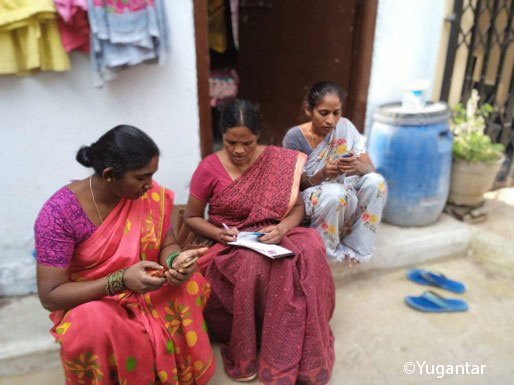
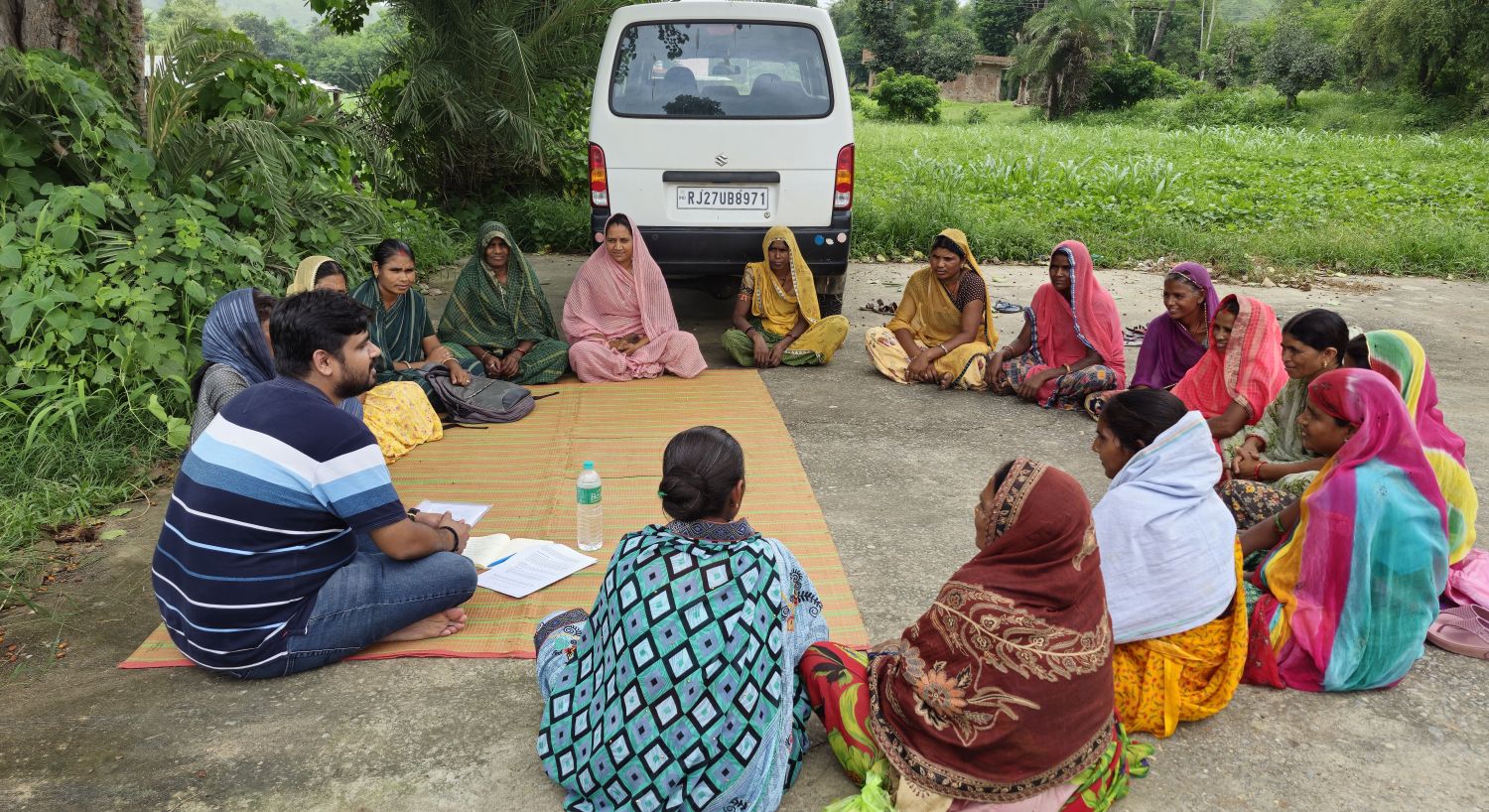
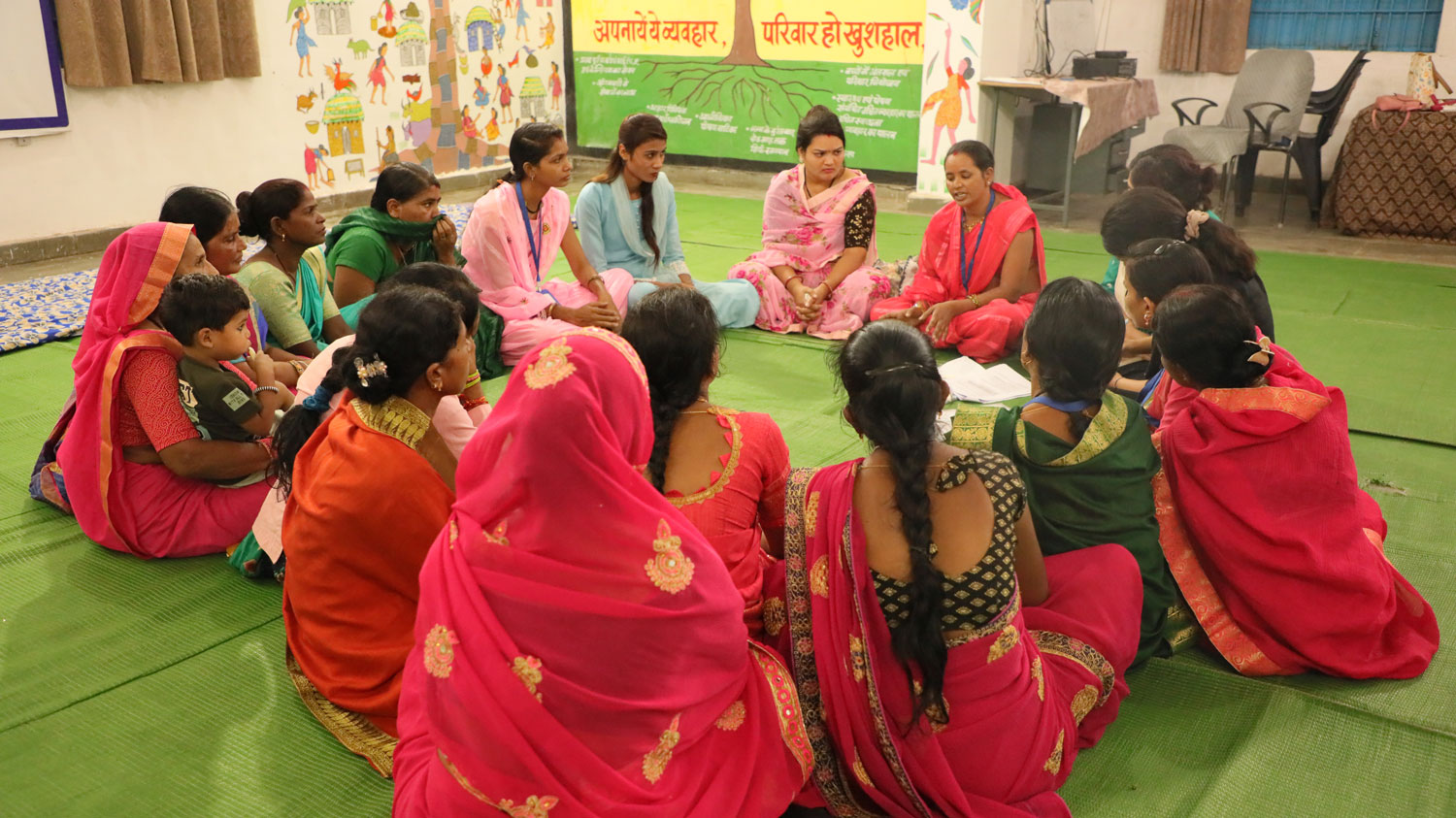
Insights from field visits to Shivpuri (Madhya Pradesh), Udaipur and Baran (Rajasthan), and Varanasi and Chandauli (Uttar Pradesh) bring these dynamics to life. We met women leading and working in tailoring and garment-stitching units, small retail shops, food-processing activities, handicrafts, and other sectors. Their experiences reveal a landscape of rural entrepreneurship that is far more dynamic, adaptive and nuanced than conventional narratives suggest.
From traditional livelihoods to business ventures: moving beyond comparative advantage
A large share of women begin their entrepreneurial journeys with activities rooted in traditional skills that have a comparative advantage—such as tailoring, embroidery, food processing, or handicrafts. The data from 3ie’s recent evaluation on DAY-NRLM and its specialized component, National Rural Economic Transformation Project (NRETP), reflects this pattern: tailoring alone accounts for one-third of women-owned enterprises, followed by general or grocery stores (30%). Across these activities, women invest an average of ₹17,000 to start an enterprise. These enterprises are relatively easy to enter with limited initial investment and have low entry barriers. They are also supported by women’s existing social networks allowing them to start earning while managing household responsibilities and gradually building confidence. These choices reflect a preference for stability over taking on risks. Yet a key question remains: can reliance on comparative advantage alone support sustained economic empowerment and growth?
While activities with comparative advantage provide important entry points, many remain small, low-capital enterprises, which can limit long-term viability. As similar enterprises cluster within local markets, competition intensifies, margins decline, and some enterprises stagnate or shut down.
What makes the difference is a gradual shift in how women think about their enterprises. Many are beginning to look beyond production alone and pay closer attention to how their products are marketed, how work is organized, and where demand comes from. In Chandauli, we met a woman who moved from doing small stitching jobs to running a design-focused tailoring business that responds to customer preferences.

Systemic barriers to enterprise growth
Despite the progress, women-led enterprises continue to face several systemic constraints to growth. These broadly fall into the following four areas:
- Financial capital - Credit access for rural women has expanded in recent years, mainly due to the DAY-NRLM’s push for stronger bank linkages and simpler loan processes. However, women often start enterprises with limited capital and small loan sizes, while also facing short repayment cycles. 3ie’s study data shows that the average capital borrowed to start an enterprise is about ₹20,476, only modestly higher than the average start-up investment of around ₹17,000. While this amount may cover the initial capital required, it leaves little room for working capital needed to maintain regular production or inventory in the early stages of an enterprise. Combined with short repayment cycles, businesses struggle to operate consistently and generate steady revenue. This highlights the importance of designing credit products that respond to the operating conditions and long-term needs of rural businesses.
- Marketization and value-chain - Income growth is high where livelihood activities transition into market-oriented enterprises. This transition involves adopting enterprise thinking through understanding costs, managing quality, identifying customers, and accessing markets beyond the area of operation. However, many enterprises operate in isolation from the broader market system. Weak forward and backward linkage limit their access to reliable suppliers, bulk buyers, and stable value chains.
- Individual, group, and cluster-based enterprises - Data from the study suggest that more than 80% of women operate enterprises within household settings. While this allows enterprises to start with limited resources and minimal formal arrangements, it also means that most activities remain small and dependent on the labor and capital available within a single household. Enterprises that require larger investments, standardized production, or bulk procurement can therefore be difficult to sustain at the individual level.
Group-based and cluster-based approaches—through SHG enterprises, producer groups, and CLF-led initiatives—offer a pathway to overcome these constraints. By pooling financial capital and labor, sharing risk and aggregating production, collective enterprises can reduce input costs, negotiate better prices, and access larger and more stable markets. Such models can be more relevant to enterprises where economies of scale are critical, such as food processing and manufacturing.
Not all enterprises need to be group enterprises; distinguishing between enterprises that can remain individual and those that require collective or cluster-level support is critical for enabling growth.
- Mobility - Mobility constraints and domestic household responsibilities further restrict participation in training, fairs, or market visits. As a result, many businesses operate as micro-livelihoods rather than enterprises with real potential to grow. Women’s vision for growth is shaped more by household responsibilities than by market exposure, thereby blurring the distinction between self-employment and entrepreneurship.
A unique opportunity
As of 30 June 2025, DAY-NRLM has supported at least 5.38 lakh (538,000) rural enterprises for women through its non-farm livelihoods programs. As women’s enterprises expand into new themes and sectors, the next phase of the program offers a unique opportunity not only to help more women start businesses but also to enable them to grow sustainably. This may require a close examination of how women can be supported to deepen their financial and business knowledge, strengthen their decision-making power, reach larger markets, join stronger value chains, and, finally, have their enterprise growth enabled through financial products and loans.
Comments

Nice piece. We at Global Alliance for Mass Entrepreneurship worked closely on a pilot with NRLM and SRLMs in 15 diatricts of Maharashtra, MP and Rajasthan, two years back and found that the approach has immense potential for rural development and mass entrepreneurship. The insights were also useful.Now SaDhan is taking it forward in a number of NE and east India.
Your suggestion of a CLF-led incubator and accelerator model is very relevant for addressing sustainability and scalability challenges in DAY-NRLM enterprises. Positioning CLFs as hubs and SHGs as spokes can strengthen aggregation, reduce risks, and enable enterprises to grow beyond micro-livelihoods.
It may be valuable to further explore how this can be utilized within existing institutional structures.
We need a robust model of livelihood business incubator and accelerator to deal with the challenges (sustsnibility, scalability) of enterprise development..
CLF can be considered as hub of incubator and SHG as spoke..






This is a well-researched and informative article. The examples of women entrepreneurs expanding their businesses through SHGs and improved market access clearly show the impact of programs like DAY-NRLM. Supporting women with appropriate credit, business training, and market connections is essential for building resilient rural economies. Great insights—thank you for sharing.