3ie’s multi-year evaluation of one of the world’s largest poverty-alleviation programs, i.e. India’s Deendayal Antyodaya Yojana-National Rural Livelihoods Mission (DAY-NRLM), has generated rich evidence on how self-help groups and their federations are reshaping women’s economic opportunities in rural India. It is also one of our largest studies—covering more than 25,000 households across nine states. We have shared insights on data collection, institutional systems and the evolving role of community resource persons (such as here and here). In this blog, we bring women's voices to the forefront.
Drawing from extensive qualitative fieldwork across five states in 2025, we explore how collectivization is transforming women's aspirations, mobility, and agency—both within their households and in their communities. Through stories, conversations, and lived experiences, this piece captures the human side of NRLM’s impact, offering a more intimate and grounded view of change.
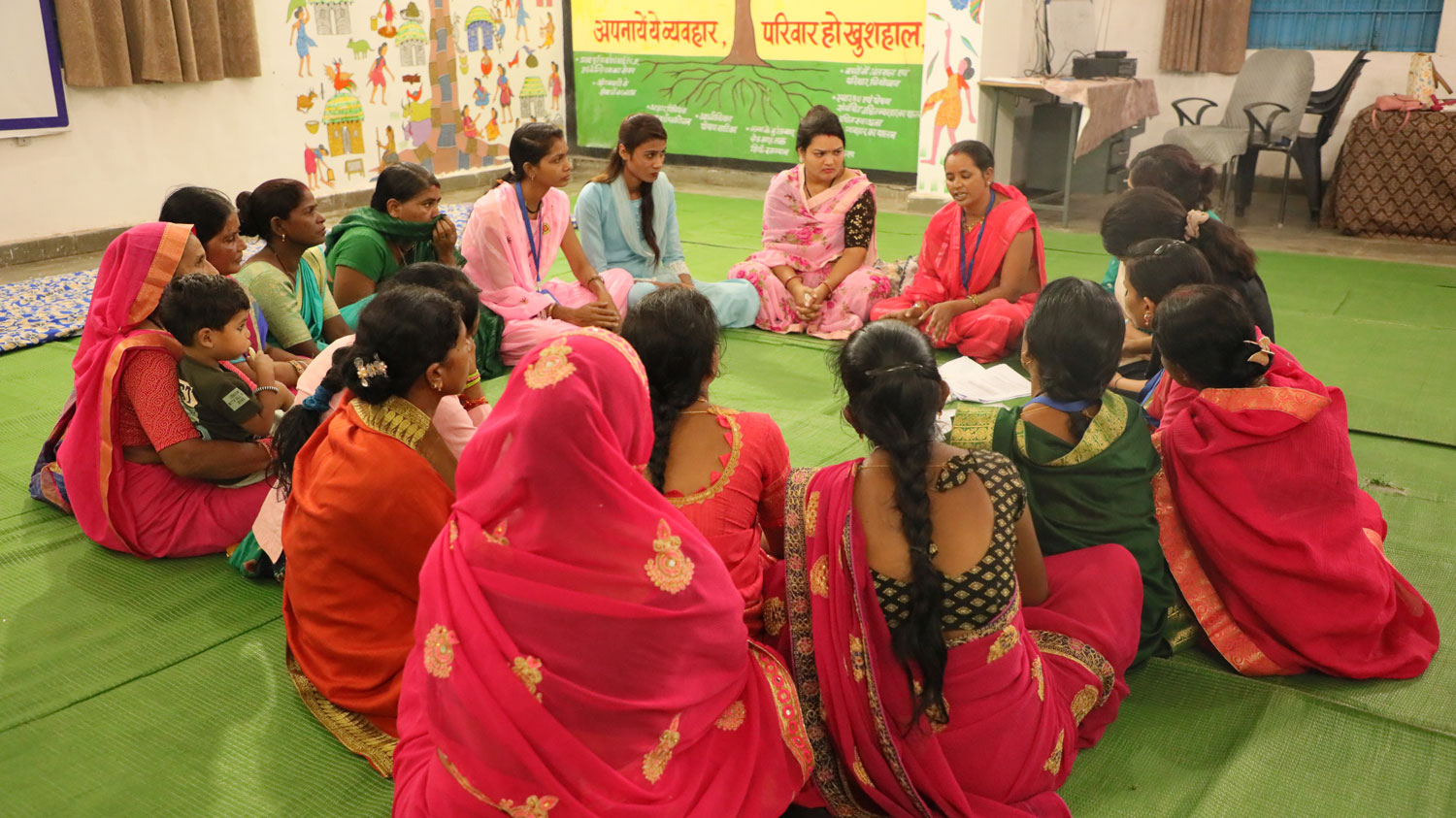
In Damoh, Madhya Pradesh, a vibrant sight greeted us – women in bright sarees, their faces glowing with confidence, were ready for the focus group discussion. The conversation flowed and their stories revealed a journey of empowerment, from struggle and hesitation to rising incomes, recognition, and newfound freedom. It was a similar experience throughout our fieldwork spanning 11 districts and 12 blocks across five states – Bihar, Jharkhand, Madhya Pradesh, Rajasthan, and Uttar Pradesh.
Over the past decade, women in rural India have witnessed a significant shift in their lives—shaped by their participation in self-help groups (SHGs), village organizations (VOs), and cluster-level federations (CLFs). These platforms have strengthened their identity as active social agents and contributed to a change in household dynamics. Today, there is greater recognition of women's voices within their communities.
Women entrepreneurs—taking steps toward self-reliance
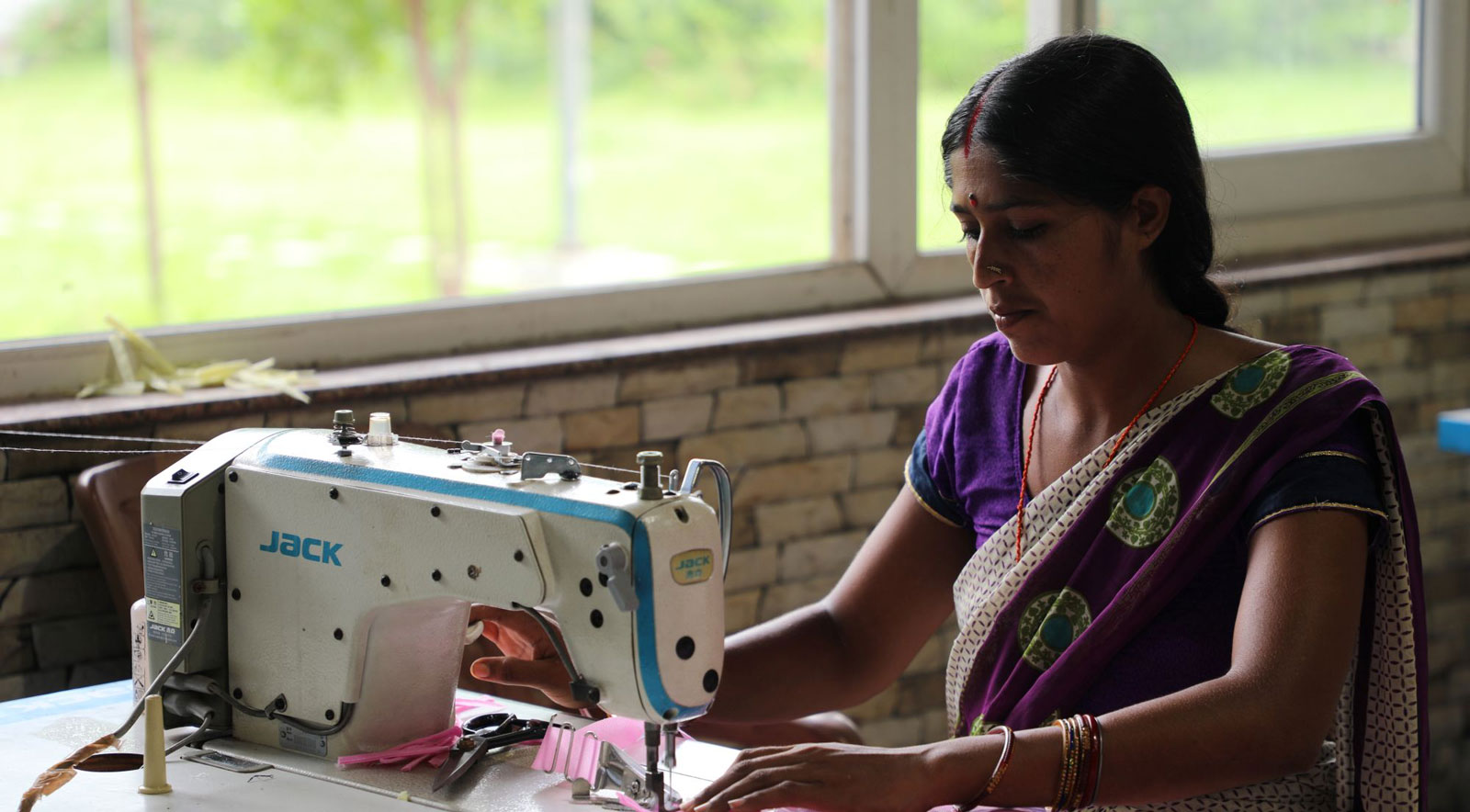
Participation in SHGs and federations has sparked an entrepreneurial spirit among women, motivating them to channel their pooled savings and seed funds into small businesses. For instance, in Kareli district of Madhya Pradesh, women used their savings and took loans to buy livestock, set up shops, and even purchase laptops to explore e-commerce. Others started making and selling products like papads, candles, soaps, and sanitary napkins – small but bold and meaningful steps towards self-reliance.

There is a quiet pride in their newfound independence and self-reliance. Many women shared that earlier they were dependent on their husbands for nearly everything—household supplies, children’s education and healthcare, their own purchases and even using public amenities—but now things are very different. A member of one of the model cluster-level federations (MCLF)—which are demonstration institutions under DAY-NRLM to build resource pools and replicate best practices— said, “Today, we have bought scooters for ourselves, laptops for our children, and also helped our husbands with their jobs.”
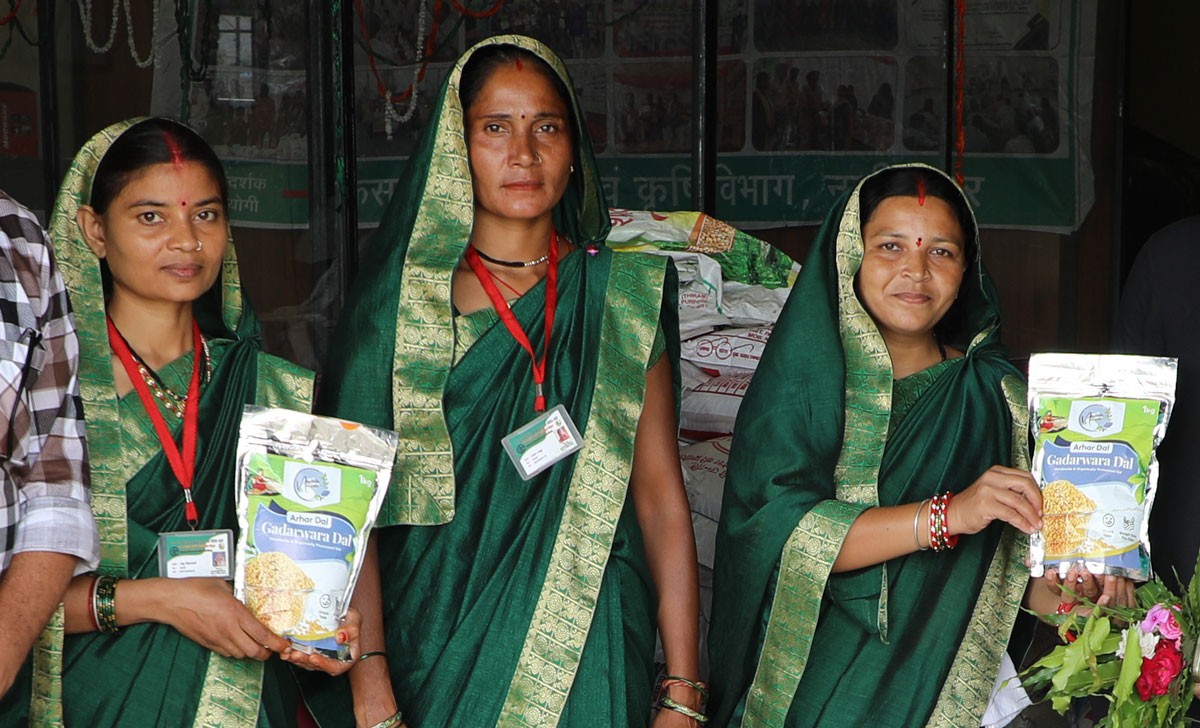
Yet, many women continue to face barriers in accessing markets. According to them, despite their desire to become entrepreneurs, selling is often the hardest part.
Collectivizing for cohesive voice, decisive action
“There is power in the collective. Earlier, we were alone, and we couldn’t do anything if we had problems. Now we can do so much,” an SHG member said while highlighting the benefits of these powerful platforms.
Apart from promoting financial empowerment, SHGs and CLFs also facilitate collective action and community support. In Kareli, Madhya Pradesh, women community resource persons (CRPs) help bring about social change by addressing societal issues like domestic violence and child marriage. They visit homes, counsel families, raise awareness, and most importantly, build trust. For many women, they have become sisters who can be confided in.
Another MCLF member told us, “In my village, alcoholism was a huge problem – the men would be violent towards their wives frequently. We mobilized the women in the SHG and VO meetings and decided to take out a rally – nasha mukti abhiyaan – with the support of the police and the village head. Now our village is alcohol-free.” MCLF sub-committees frequently take up similar local issues through awareness campaigns and even by supporting women in filing police complaints, they have helped reduce alcohol-related violence and strengthened the bonds of trust in the community.
Gaining recognition and challenging gender norms
Alongside their growing entrepreneurial drive, women are also challenging long-held gender norms.
In Madhepura, Bihar, one woman’s story perfectly captures the transformative effect of SHGs. Once a daily-wage farm laborer, she joined an SHG, took a loan to buy an e-rickshaw, and is now the only woman driver in her area. Today, she supports her family and pays for her children's schooling, inspiring other women to think beyond traditional roles.
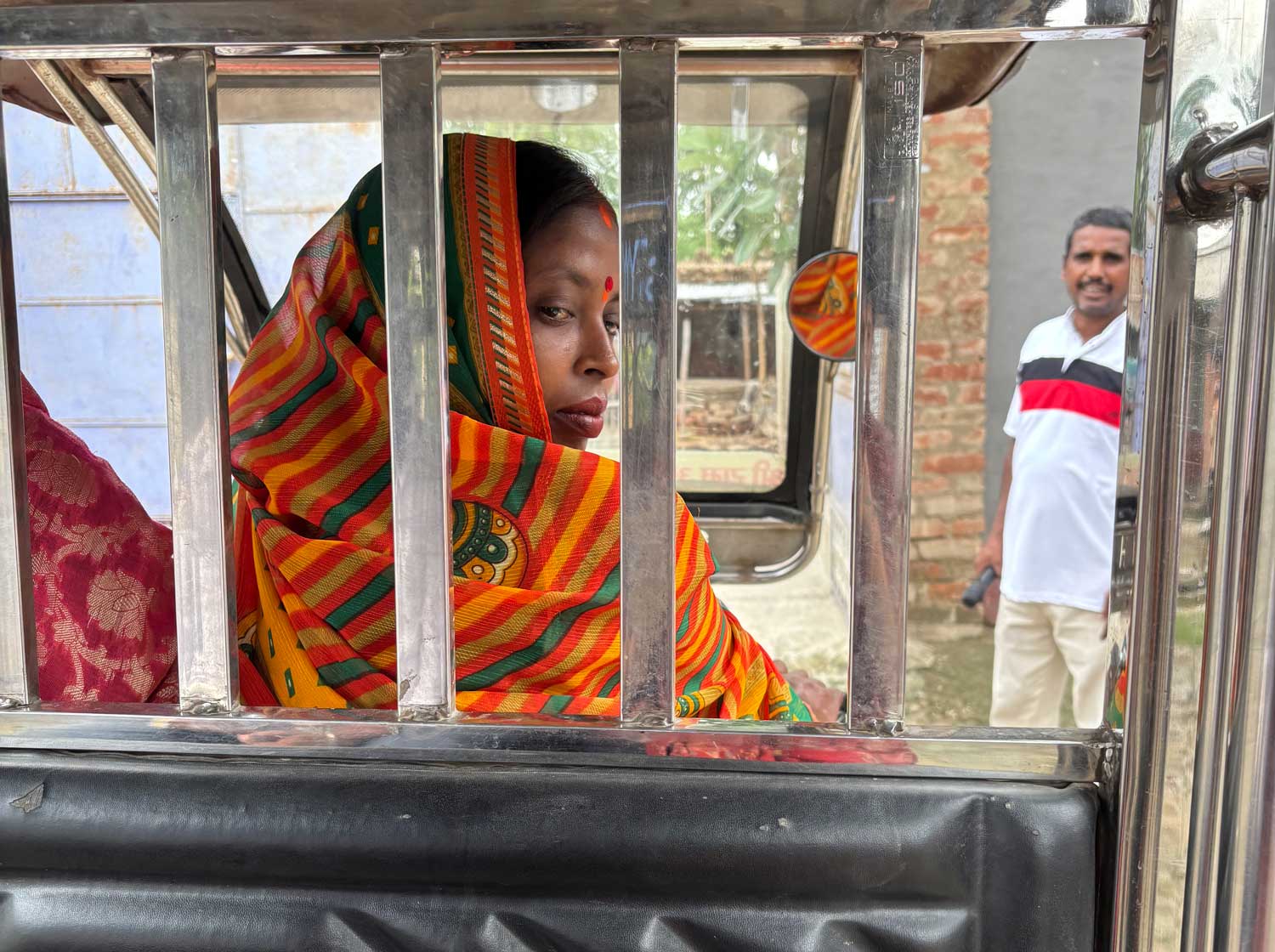
In Saharsa and Madhepura, many women have emerged as primary earners as men migrate for work. One SHG member from Madhepura also shared that she started a small business after her husband returned due to an illness. She purchased a thresher machine with a loan, enabling her husband to earn locally. As the business grew, their situation improved, allowing them to support their son’s education.
Once confined to their homes, SHG members now travel freely and confidently to banks, block offices, and neighbouring villages and towns. “We knew about the Dhanapur marketplace, but we had not seen it. Now we go there alone. There is no fear,” said an SHG member in Dhanapur, Uttar Pradesh.
This transformation is not just about physical mobility; it is also about gaining an identity and respect. As one SHG woman from Bihar shared, “Earlier, when we visited someone, people introduced us as so-and-so's daughter-in-law or so-and-so's wife. Today, everybody knows me by name and because of my work.”
Their words capture the spirit of this change:
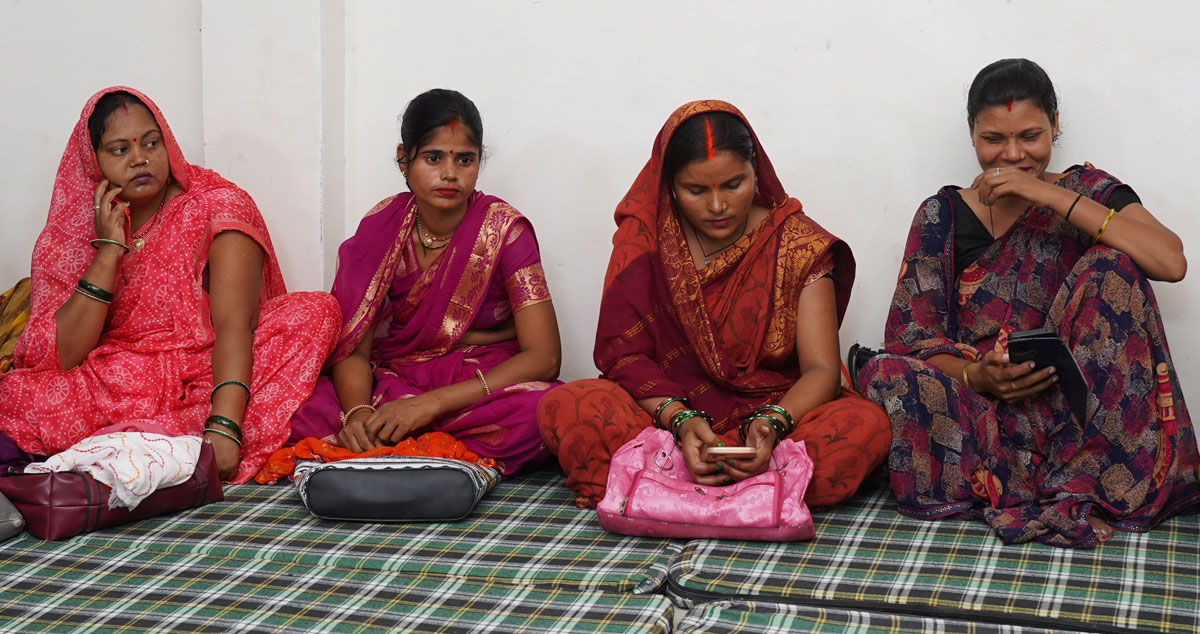
These changes, however, are neither uniform nor universal. The pace and extent vary across socio-economic and caste groups as well as region; many women continue to face significant structural and social barriers that restrict their full participation and agency. Recognizing these disparities is essential to tailoring interventions that ensure more inclusive and equitable progress for all women in rural India.
Comments

A well researched and well articulated info. Doing a great job but a long road lies ahead. Keep on doing the great work and a day will come when the rural Indian Women would be totally empowered.







Excellent coverage on force of collectives under DAY NRLM.