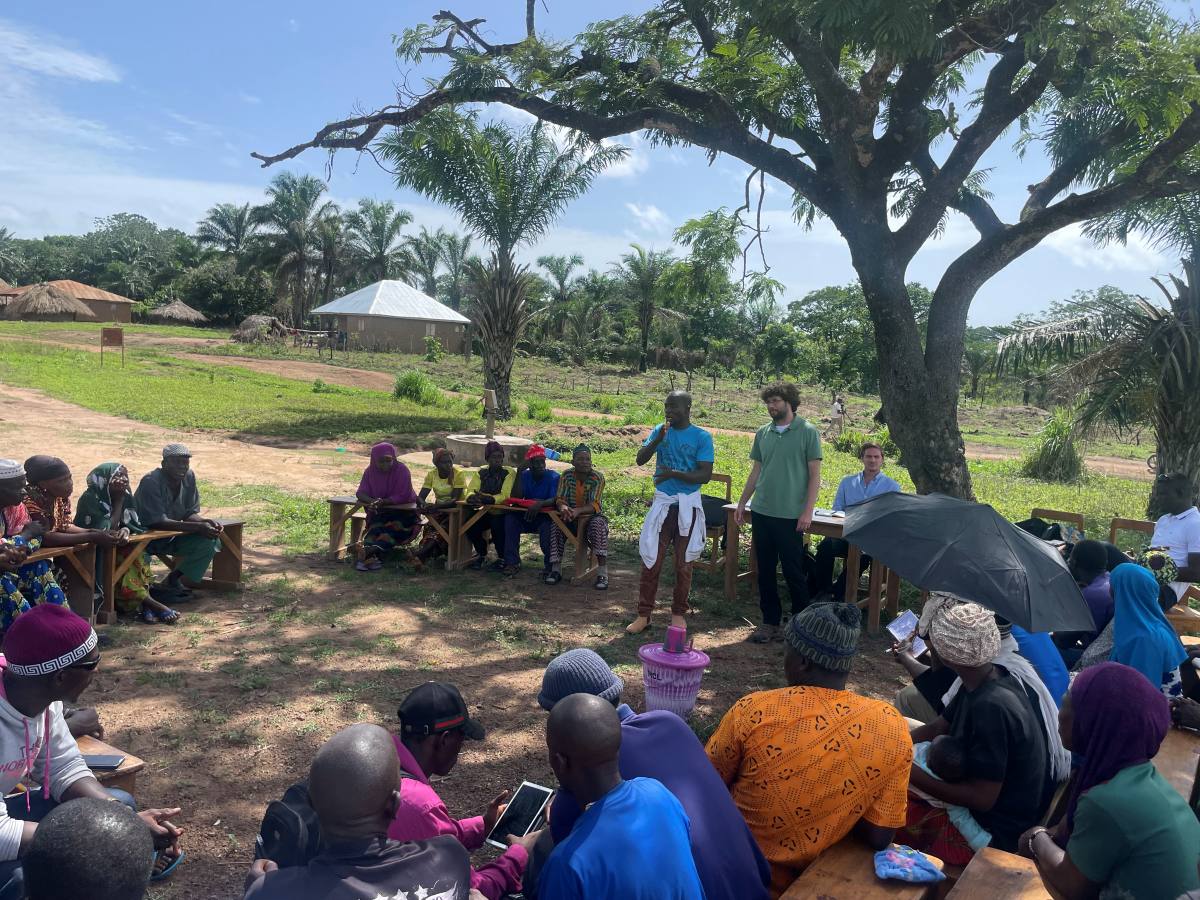
Earlier this year, I returned to Mozambique to follow up on an impact evaluation that we started almost 20 years ago to measure the effects of community-based preschool. Then, we found that it helped the children who participated. Now, we’re working to see what happened to those same former preschoolers as they’ve grown into adults. Are they more educated than they would have been without access to preschool? Do they earn more? Are they healthier? Did their lives change in other ways?
With preschool, as with many types of development interventions, key outcomes such as final educational attainment and labor market earnings can't be observed until many years have passed after the project is implemented. However, the vast majority of impact evaluations are conducted soon after projects end, leaving important questions about long-term effectiveness unanswered. At 3ie, we hope to change that by working on long-term impact evaluations like this one in Mozambique.
When we started planning the initial short-run study in 2006, there was limited rigorous evidence on the benefits of preschool in Sub-Saharan Africa, both in the short run and the long run. People had theories, and research in middle- and high-income countries had shown the importance of early childhood development. But at the time, it was up for debate whether preschool programs would be worthwhile, or could even be effectively implemented, in contexts of extreme poverty.
In a research collaboration between the World Bank and Save the Children and with support from 3ie, I helped lead a randomized controlled trial in 76 communities in Mozambique to investigate the effects of new low-cost community preschools that were opening in 2008. The original evaluation provided the first evidence that community-based preschools improved a whole range of outcomes for kids, including higher rates of school enrollment, improved cognitive skills, and better socio-emotional development. Follow-up data collected in 2014 showed that effects persisted through primary school. At under $3 per child per month, the program was also cost-effective.
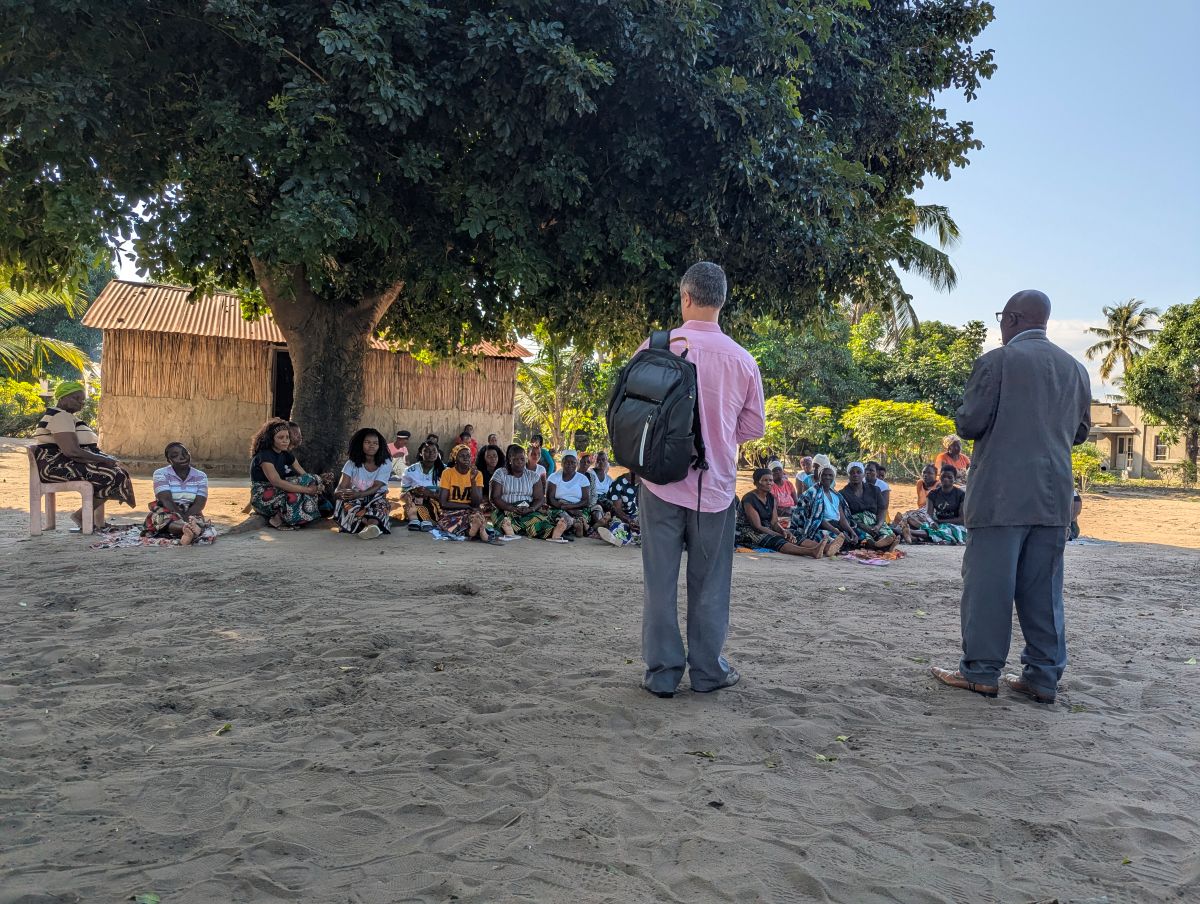
That study has already informed policy decisions that affected the lives of many other children in Mozambique and elsewhere. The Mozambican government scaled up the preschool program to include an additional 350 communities, more than ten times the program’s original size. Far beyond Mozambique, the study continues to influence debates about the merits of supporting early-childhood education.
To test whether the scaled-up program would have the same benefits, the World Bank led a randomized controlled trial of the expansion, this time measuring outcomes three years after the preschools opened. Once again, the evaluation found significant increases in primary school enrollment and improved cognitive and social-emotional skills, showing that the intervention could be effective at scale.
Because of when they were conducted, all these studies measured effects on children who were still in primary school. The children who entered preschool in the original study cohort in 2008 are now young adults. The question today is: what happened to those kids when they grew up? Did early gains in child development and primary school outcomes provide lasting benefits, or were the effects temporary?
Through the Mozambique preschool long-term follow-up study, we are aiming to track down the 2,000 study subjects from the original study. We’ve already run an initial pilot re-contact effort with 150 subjects in which we successfully re-interviewed 129 of them, providing encouraging evidence that tracking individuals will be feasible 18 years after the initial baseline.
Our new long-term study will measure outcomes ranging from whether the participants finished high school to whether they’re employed, how much they earn and whether they have started their own families. With the cost data we have from the initial studies, we’ll be able to estimate the long-term returns on that investment in preschool back in 2008.
We plan to start the full survey of participants toward the end of this year, and I’m excited to see what has happened in the lives of those former preschoolers.
Paul Thissen contributed writing and editing.